01
Brief
The agency I work for had set out to become AI-first, and this client was the right place to prove it — a brand whose media plan consumes UGC continuously. The question was never whether a model could produce one good-looking frame. It was whether a pipeline could deliver a complete, on-brand ad faster, with more variation and more creative range than booking a shoot.
02
Approach
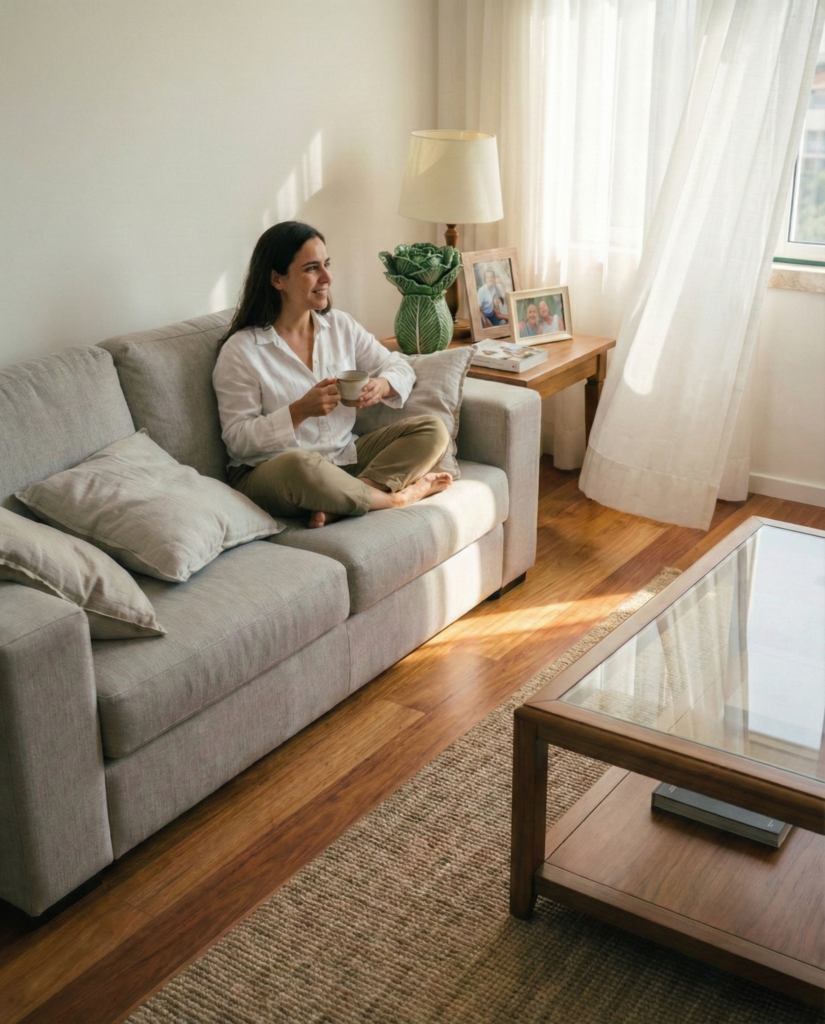
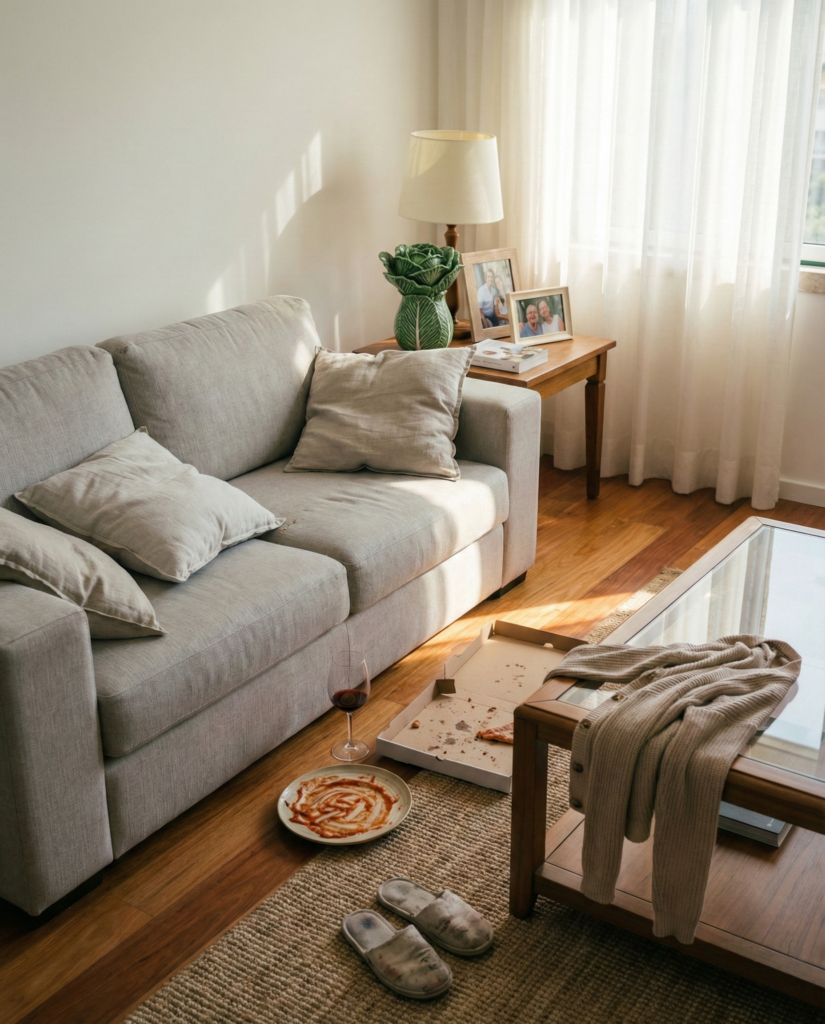
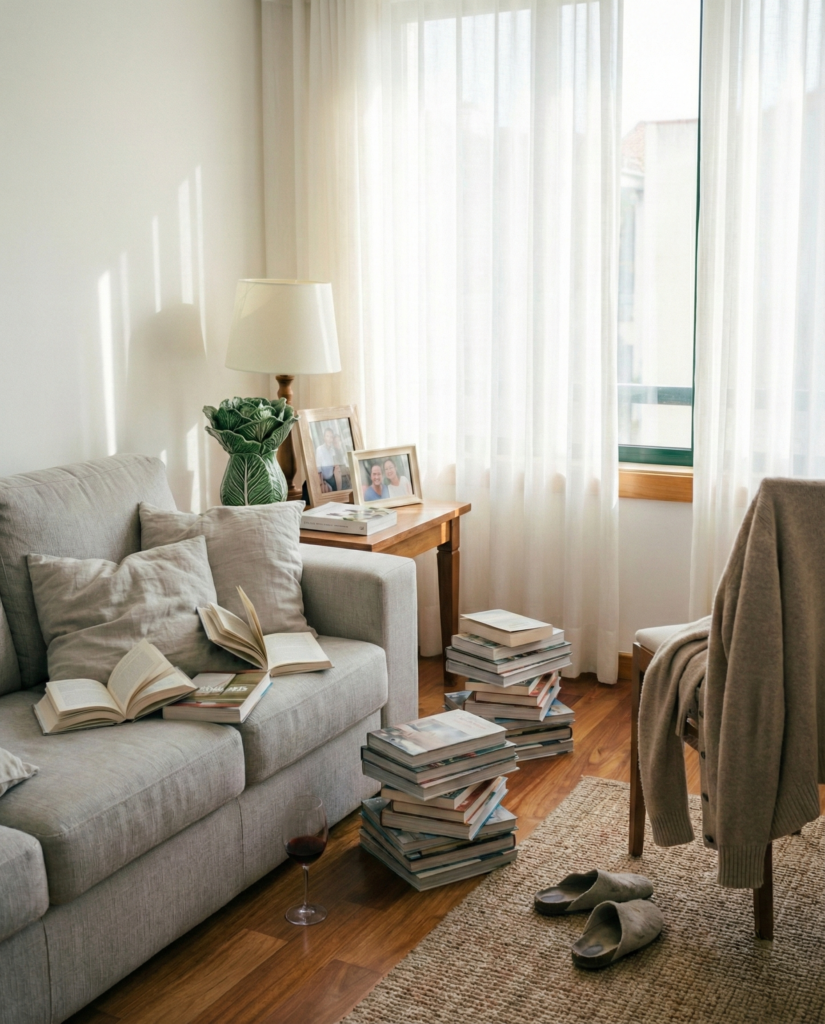
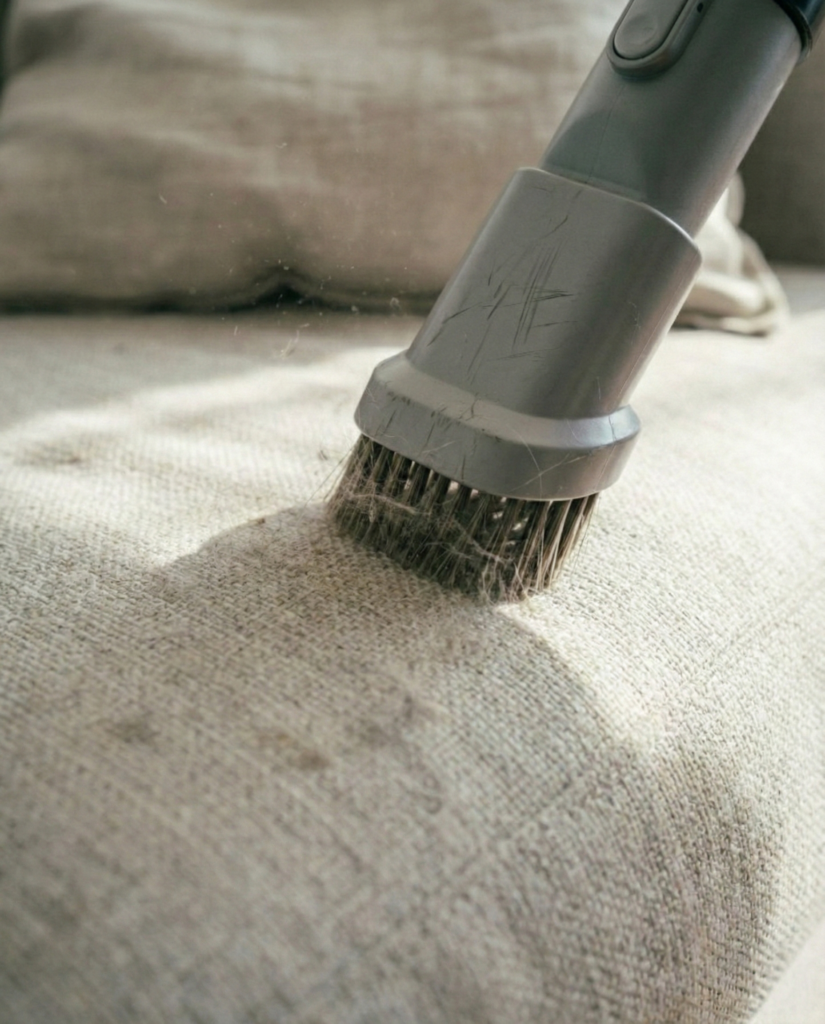
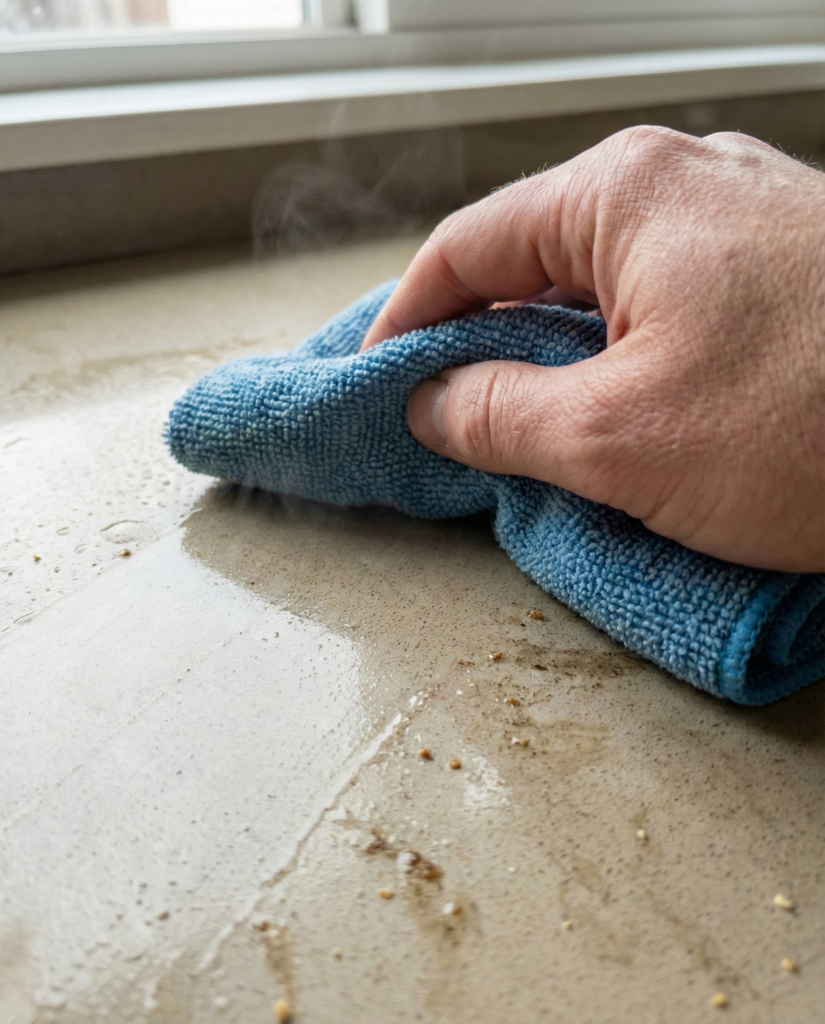
I treated it as a production, not a prompt exercise. Before generating anything, I wrote the brief and drew the storyboard for the brand’s home-cleaning service: the setting, the problem, the turn, the resolution and the avatar were all settled on paper first. That is what made the rest controllable. The models available at the time drifted badly on character and set consistency, so every shot had to be locked to a plan rather than discovered along the way.
03
Execution
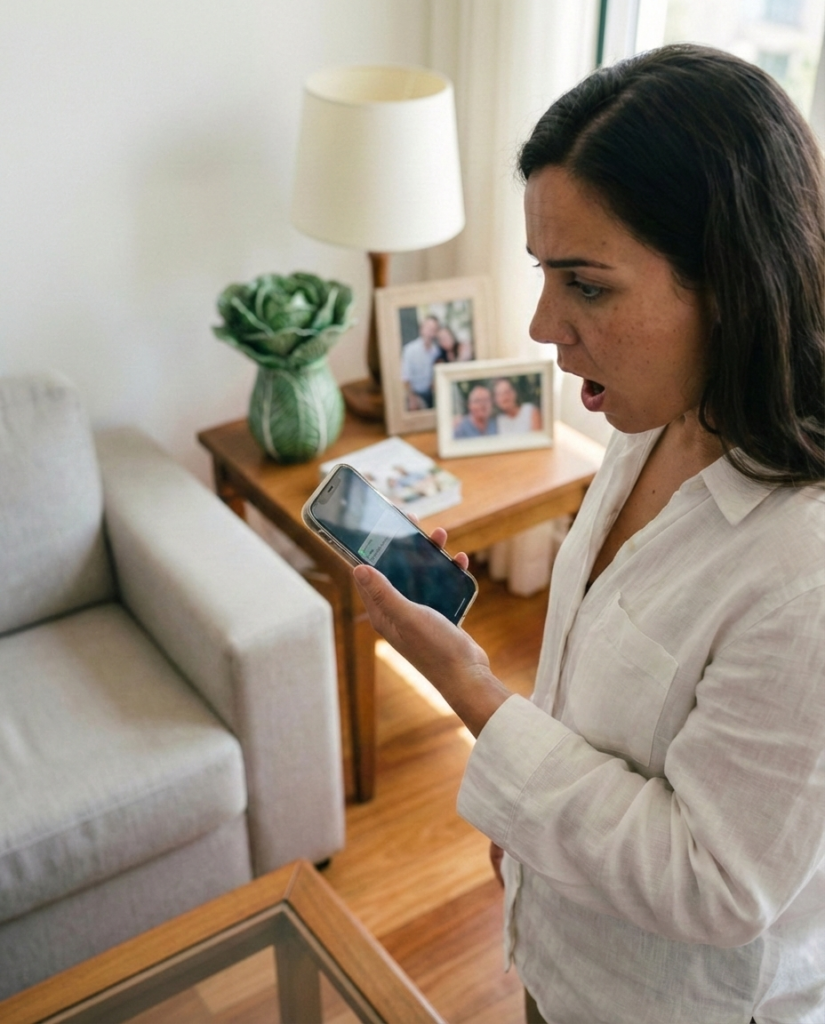
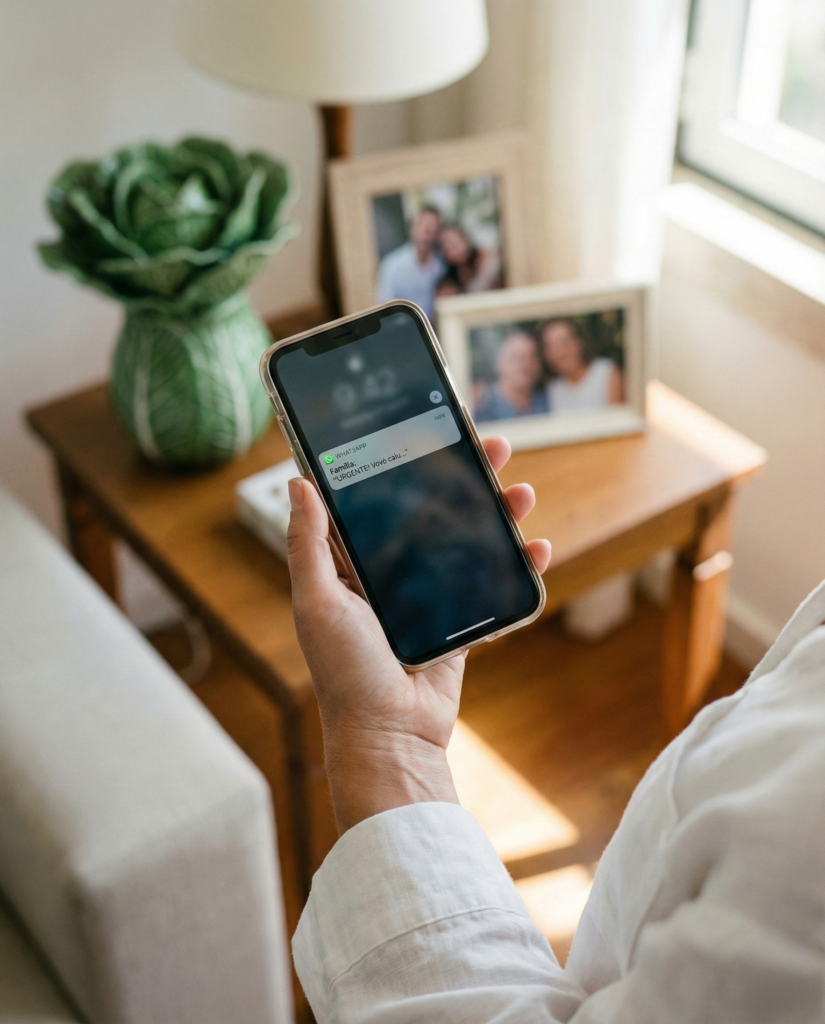
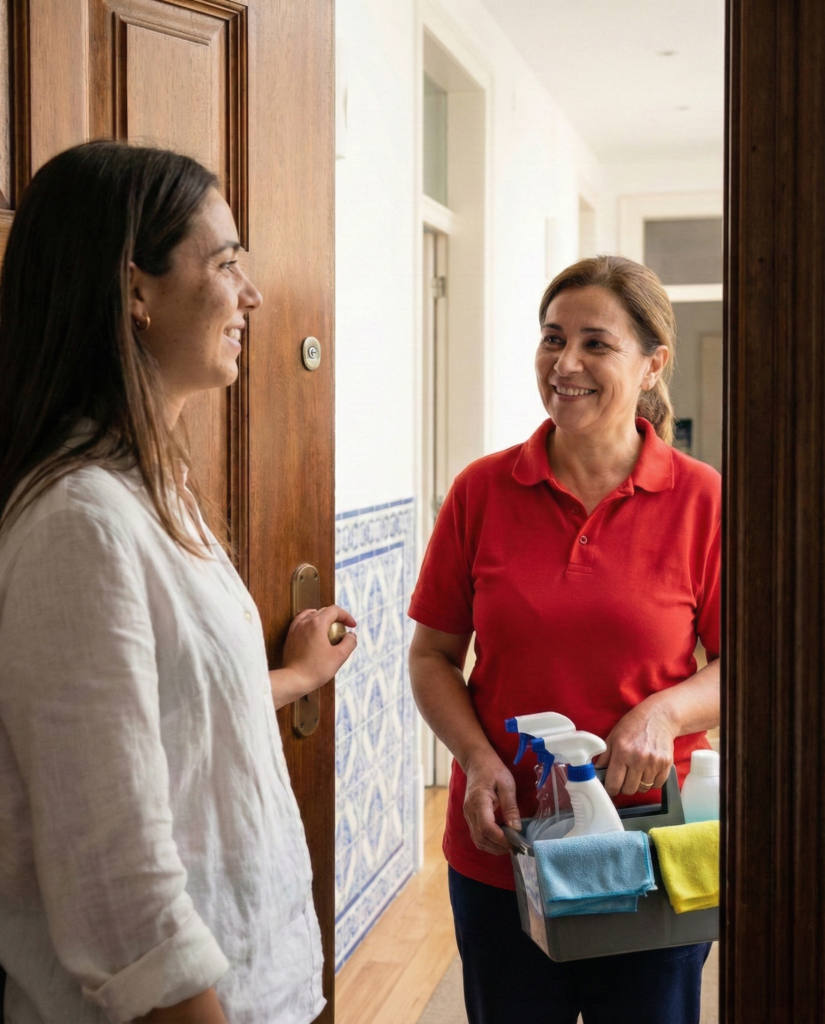
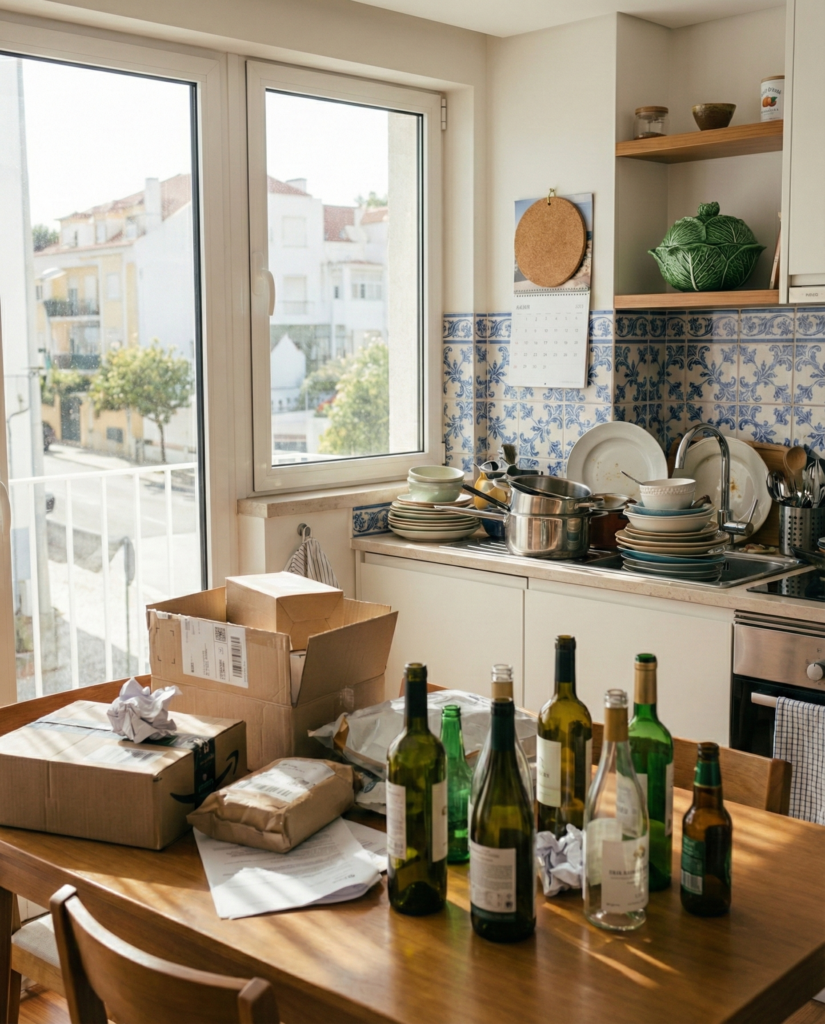
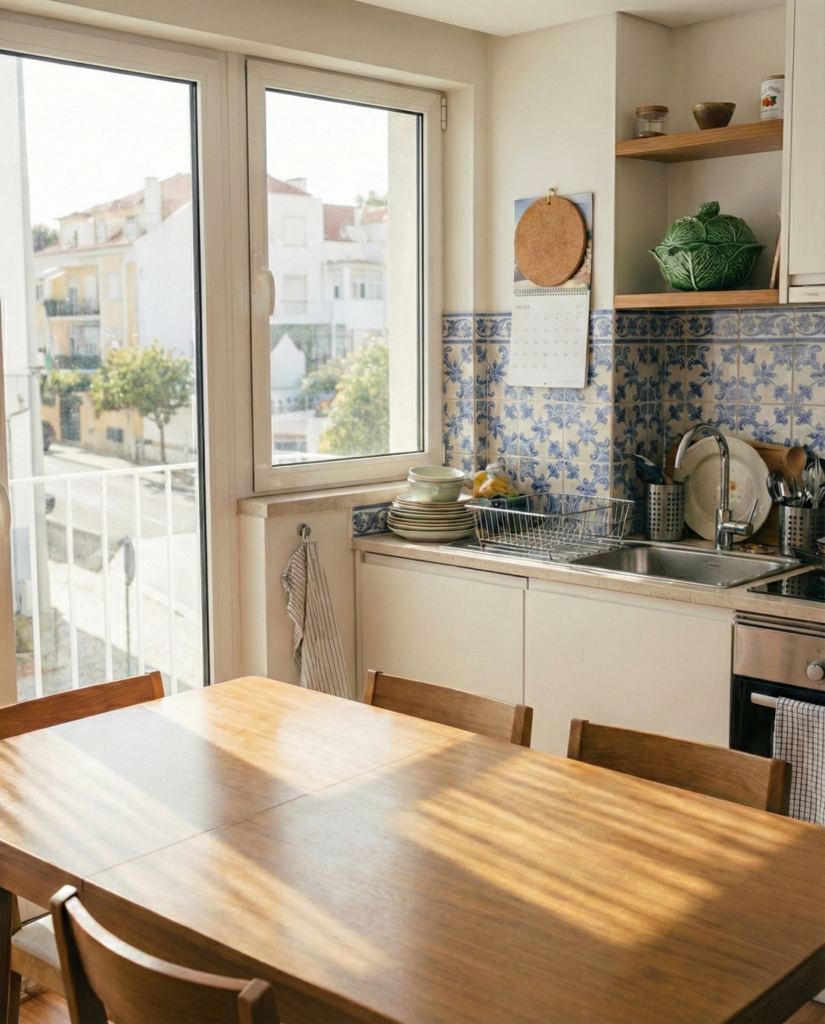
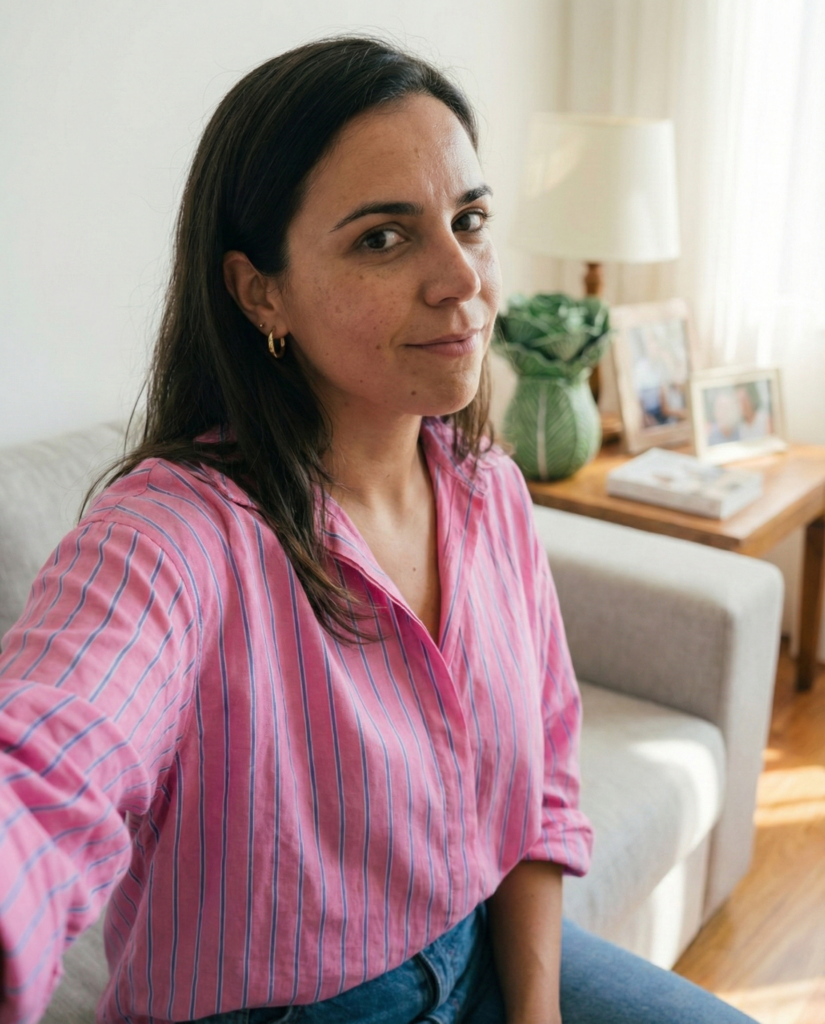
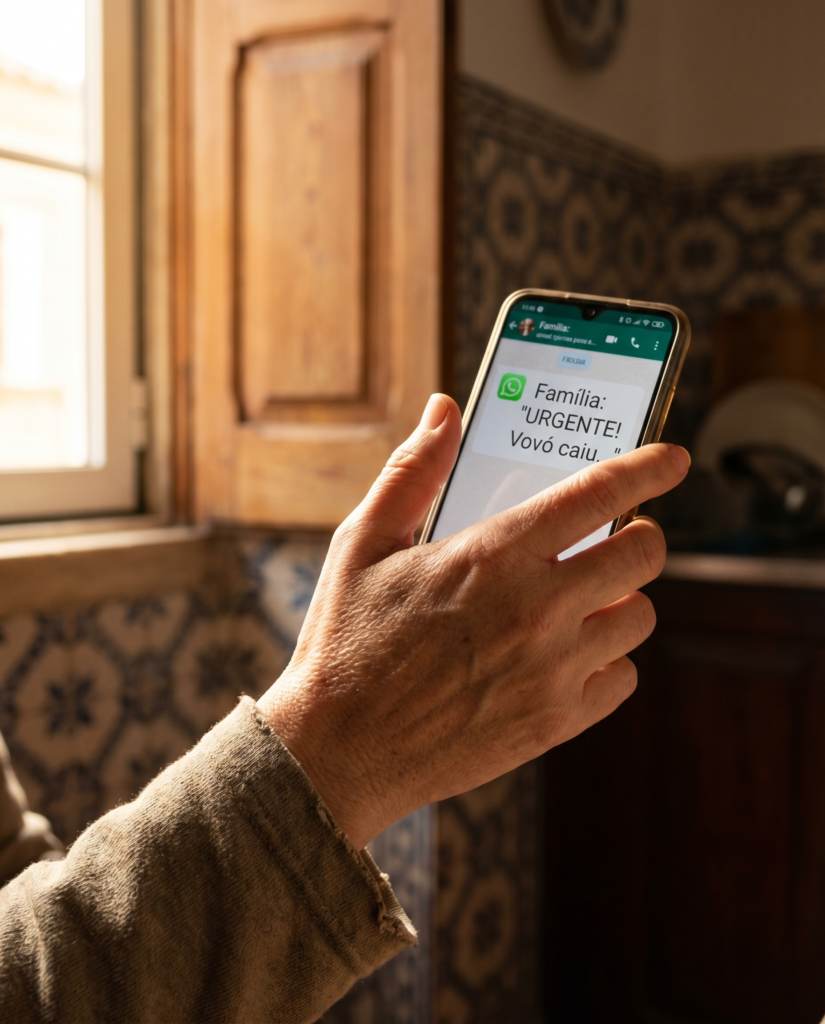
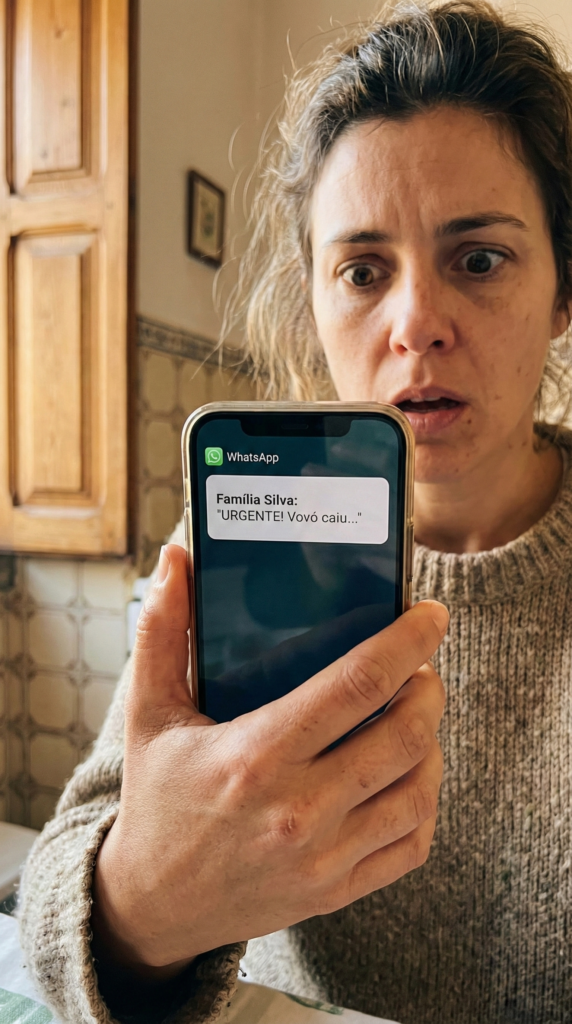
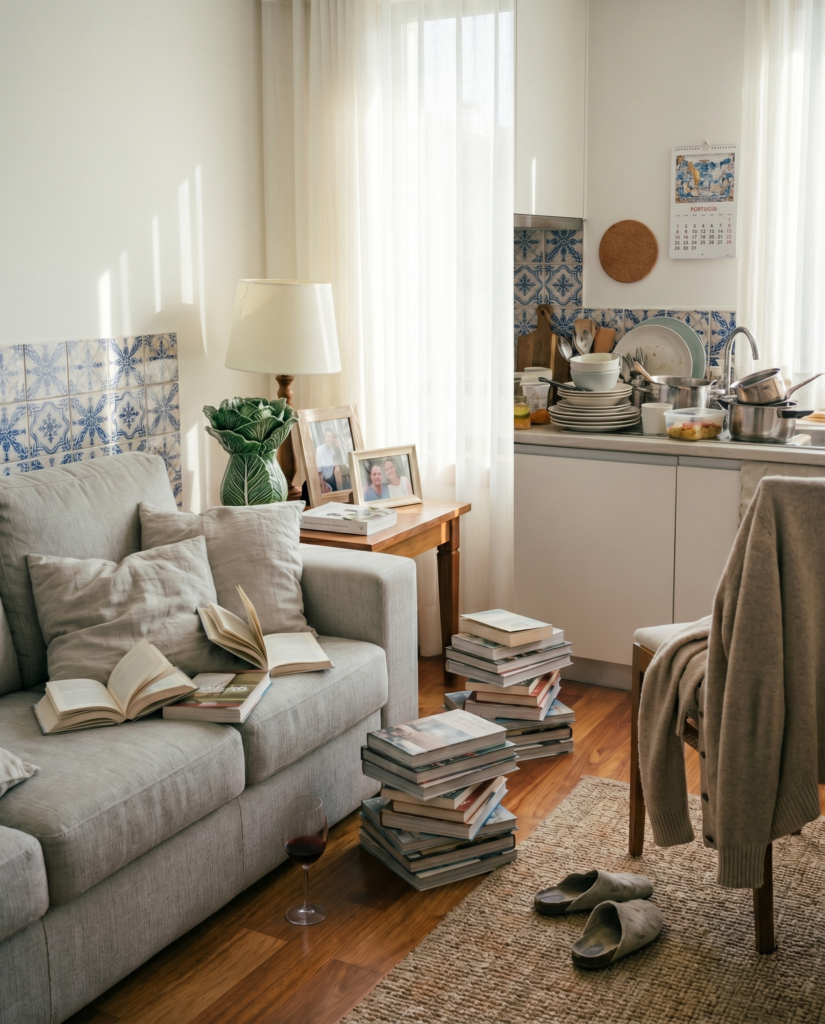
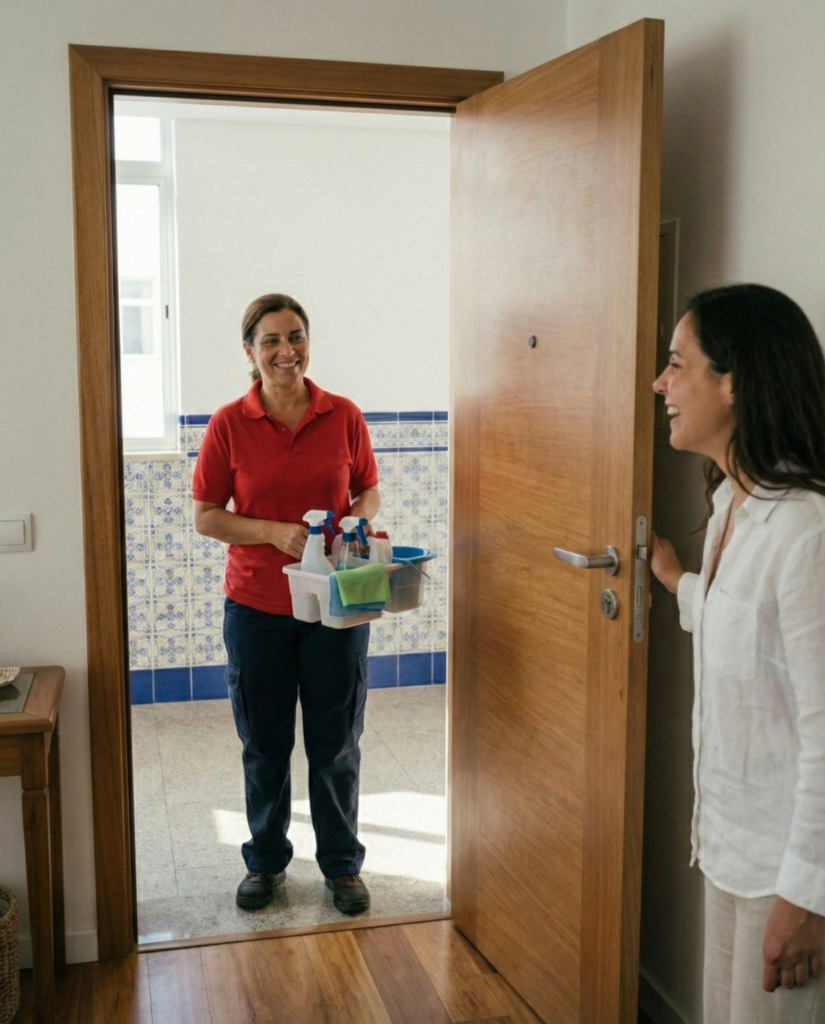
The pipeline ran in four stages. Claude wrote each image prompt action by action, so the apartment, the light and the avatar carried from shot to shot. Gemini generated the stills at 4:5. Krea animated the chosen frames with Seedance 1.5 Pro. After Effects cut it together. Thirty stills, eleven worth animating, fourteen clips back, seven in the film.
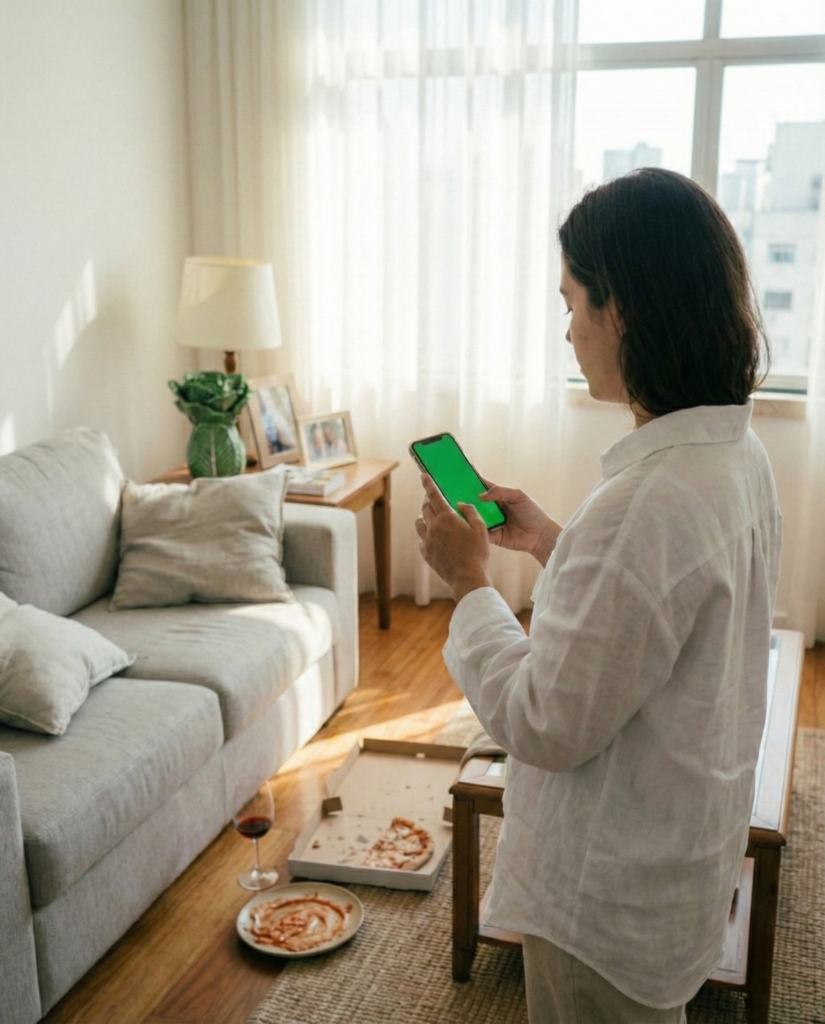
Most of the work sat in the loop between the first two stages. The model kept pulling the set towards a traditional Portuguese interior when the brief called for an ordinary one. It aged the avatar. It changed her clothes. It once merged the kitchen into the living room. Each time I rewrote the prompt instead of patching the image — a fix in the prompt holds for the next shot, a fix in Photoshop doesn’t.
One element never went near the model: the phone interface. The app screen was generated as a plain green plate and keyed in After Effects. On-screen type is what these models render worst, and what a viewer reads letter by letter. Knowing what to hand over and what to keep back is most of the skill.
04
Result
A finished 22-second vertical ad, made end to end without a camera, a cast or a location. The first run took around 10 hours. The same piece today takes about 2, voice-over included — and that is the figure for shots that have to match specific references for framing and situation. Give me an open brief and it lands well under that. It still runs as separate stages rather than a single pass, because one-shot output isn’t good enough yet, and knowing exactly where that line sits is part of what the pilot was for.